Molekula
1,8-Dihidroxiantraquinona
1,8-Dihydroxyanthraquinone
Certificado ISO 9001:2015 e ISO 14001:2015 · Suministro a laboratorios e industria desde el año 2000 · Los tamaños de empaque listados son un punto de partida — fabricamos, suministramos y reempaquetamos en las cantidades que usted necesite.
El 1,8-dihidroxi-antraquinona es un sólido cristalino amarillo utilizado en la síntesis de tintes y en la investigación de química orgánica. Es un derivado de la antraquinona con aplicaciones en pigmentos e intermediarios farmacéuticos. Disponible en forma de polvo, tiene una fórmula molecular C14H8O4, un peso molecular de 240,21 g/mol y es estable a temperatura ambiente. Se clasifica como peligroso (palabra de señalización: Peligro). Molekula suministra 1,8-dihidroxi-antraquinona en cantidades desde investigación hasta volumen industrial, con documentación completa y trazabilidad ISO 9001:2015.
Resumen
La **1,8-dihidroxiantraquinona** es un sólido cristalino amarillo utilizado en la síntesis de tintes y en investigación química orgánica. Se trata de un derivado de la antraquinona con aplicaciones en intermediarios de pigmentos y farmacéuticos. Disponible en forma de polvo, presenta una fórmula molecular de **C14H8O4**, un peso molecular de **240,21 g/mol** y es estable a temperatura ambiente. Está clasificada como peligrosa (Palabra de señal: **Peligro**).
Molekula suministra **1,8-dihidroxiantraquinona** desde cantidades de investigación hasta volúmenes a granel, con documentación completa y trazabilidad conforme a la norma **ISO 9001:2015**.
Precios y tamaños de envase
Estos tamaños de envío no son un límite. Molekula fabrica, suministra y acondiciona bajo pedido — si necesita 500 kg y solo ve 1 kg listado, Cotizamos desde gramos hasta toneladas métricas.
-
500 g — €181.60 por paquete
¿Necesita una cantidad o envase diferente?
Indíquenos la cantidad exacta que necesita — bidones, IBCs, sacos o un lote a granel único. Fabricaremos o proveeremos el producto y le enviaremos una cotización, generalmente en un día hábil.
Precios excluyen IVA/impuestos sobre las ventas y gastos de envío.
Especificaciones
| Property | Value |
|---|---|
| Appearance | Yellow to brown solid powder |
| Melting Point | ≥193°C |
| Ash | ≤0.3% |
| Purity (HPLC) | ≥99.0% |
| Moisture | ≤1.0% |
| Insoluble matter in toluene | ≤0.5% |
Almacenamiento y manejo
| Property | Value |
|---|---|
| Temperatura de Almacenamiento | Ambient |
| Punto de inflamación | 200 C |
| Clase de transporte | 9 |
| Grupo de empaquetado | III |
| Acidez | Neutral |
Identificación
| Property | Value |
|---|---|
| SKU | 14127698 |
| Número CAS | 117-10-2 |
| Fórmula molecular | C14H8O4 |
| Peso molecular | 240.21 |
| SMILES | C1=CC2=C(C(=C1)O)C(=O)C3=C(C2=O)C=CC=C3O |
| Número EC / UN | 3077 |
| Código REACH | Y110 |
| Incluido en el listado TSCA | Sí |
| Código HTS | 2914699000 |
| Código arancelario | 2914698090 |
Seguridad y GHS
-
 Health Hazard
GHS07
Health Hazard
GHS07
-
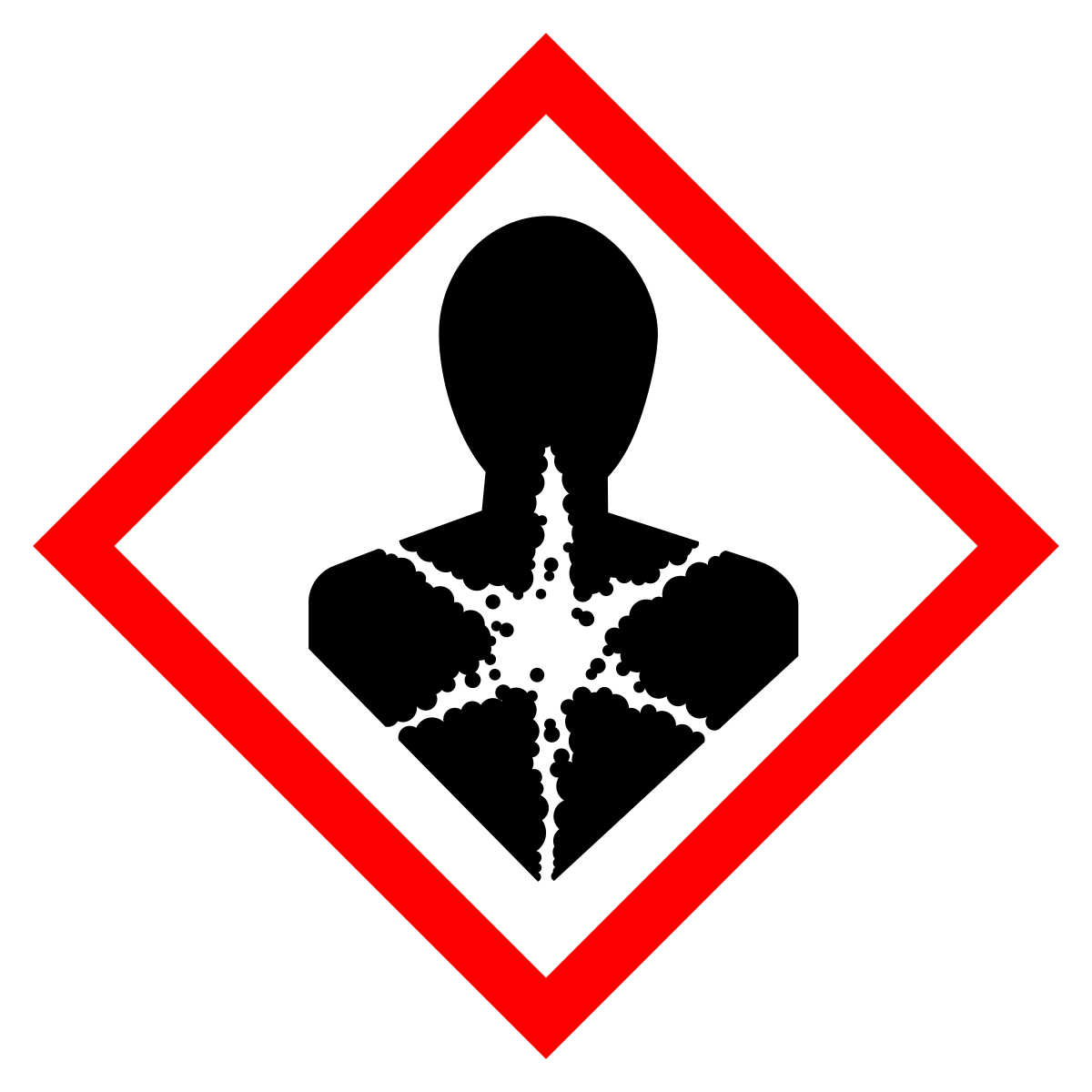 Serious Health Hazard
GHS08
Serious Health Hazard
GHS08
-
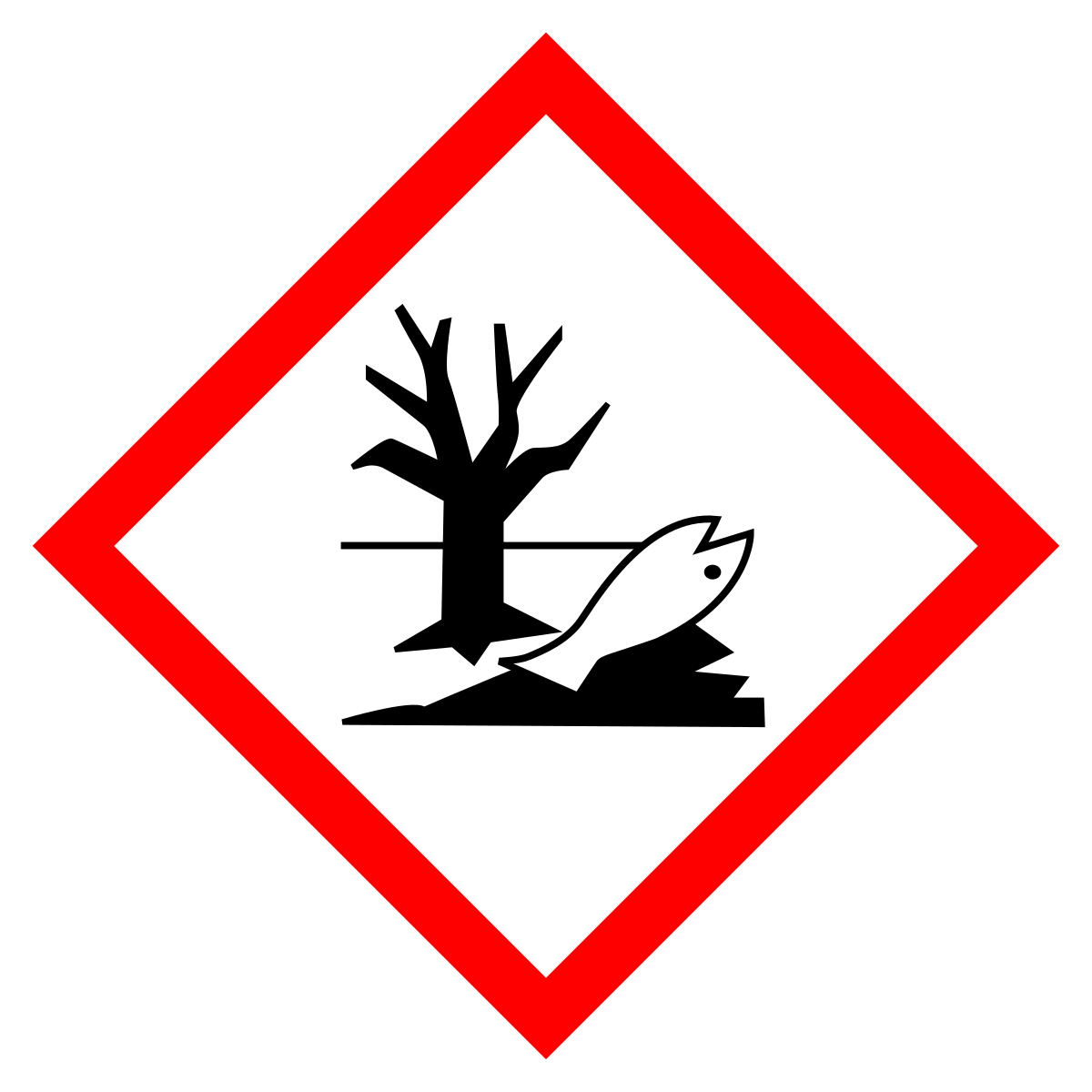 Hazardous to the Environment
GHS09
Hazardous to the Environment
GHS09
Declaraciones de peligro
- H317 Puede provocar una reacción alérgica en la piel.
- H319 Provoca irritación ocular grave.
- H334 Puede provocar síntomas de alergia o asma o dificultades respiratorias en caso de inhalación.
- H335 Puede irritar las vías respiratorias.
- H336 Puede provocar somnolencia o vértigo.
- H351 Se sospecha que provoca cáncer <indíquese la vía de exposición si se ha demostrado concluyentemente que el peligro no se produce por ninguna otra vía>.
- H410 Muy tóxico para los organismos acuáticos, con efectos nocivos duraderos.
Declaraciones de precaución
- P201 Solicitar instrucciones especiales antes del uso.
- P261 Evitar respirar el polvo/el humo/el gas/la niebla/los vapores/el aerosol.
- P273 Evitar su liberación al medio ambiente.
- P280 Llevar guantes/prendas/gafas/máscara de protección.
- P304+340 EN CASO DE INHALACIÓN: Transportar a la persona al aire libre y mantenerla en una posición que le facilite la respiración.
- P305+351+338 EN CASO DE CONTACTO CON LOS OJOS: Aclarar cuidadosamente con agua durante varios minutos. Quitar las lentes de contacto, si lleva y resulta fácil. Seguir aclarando.
- P342+311 En caso de síntomas respiratorios: Llamar a un CENTRO DE TOXICOLOGÍA/médico/...
- P391 Recoger el vertido.
Documentos
Fichas de Datos de Seguridad (FDS)
Disponible en English, French, German, Italian, Portuguese, Spanish.
Certificado de Análisis (CoA) por lote
Introduzca un número de lote o partida para recuperar el informe de análisis (CoA) correspondiente a esa partida específica. Podemos generar uno a partir de los datos de especificación si no hay ningún PDF disponible.
Sinónimos
No se han registrado nombres alternativos para este producto.
Preguntas frecuentes
¿Para qué se utiliza el 1,8-dihidroxi-antracenoquinona?
Se utiliza principalmente como intermedio para tintes en la producción de tintes y pigmentos basados en antracenoquinona.
¿Cuál es la fórmula química y el peso molecular?
La fórmula es C14H8O4 con un peso molecular de 240,21 g/mol.
¿Cómo debe almacenarse el 1,8-dihidroxi-antracenoquinona?
Almacenar a temperatura ambiente, alejado de la humedad y materiales incompatibles.
¿Qué grado está disponible?
Disponible en grado técnico; pueden solicitarse opciones personalizadas de pureza.
¿Puede Molekula suministrarlo en grandes cantidades?
Sí, están disponibles grandes cantidades; póngase en contacto con nuestro equipo de ventas para precios y disponibilidad.
¿Qué documentación se incluye con el pedido?
Cada pedido incluye un Certificado de Análisis (CoA) y una Ficha de Datos de Seguridad (SDS) con el envío.
¿Listo para realizar un pedido o necesita un paquete personalizado?
Indíquenos el producto, grado y cantidad — Molekula suele responder dentro de un día laboral con precio y plazo de entrega.