
Molekula
كلوريد 2,3,5-ترفيينيلتترازوليوم
2,3,5-Triphenyltetrazolium chloride (TTC)
مُشَهِّدٌ مُعْتَمَدٌ عَلَى ISO 9001:2015 و ISO 14001:2015 · يَتَوَفَّرُ لِلْمَعَامِلِ وَالصِّنَاعَةِ مُنْذُ عَامِ 2000 · الكميات المدرجة هي نقاط بداية — نحن ننتج، ونستورد، ونعيد تعبئة المنتجات وفقًا للكمية المطلوبة.
كلوريد 2,3,5-تريفينيلتترازوليوم (TTC) هو مؤشر أكسدة-اختزال يستخدم في التجارب البيولوجية والكيميائية الحيوية لتقييم النشاط الأيضي وصحة الخلايا. يُستخدم على نطاق واسع في المجالات الميكروبيولوجية، وفيزيولوجيا النبات، ودراسات الإنزيمات. متوفر برقم CAS 298-96-4، والصيغة الجزيئية C19H15ClN4، والوزن الجزيئي 334.80 جم/مول. تخزينه بين 2 إلى 8 °س. كلمة الإشارة: خطر. يوفر Molekula كلوريد 2,3,5-تريفينيلتترازوليوم من كميات بحثية إلى كميات كبيرة مع وثائق كاملة ومتابعة معيار ISO 9001:2015.
نظرة عامة
كلوريد 2,3,5-تريفينيلتترازوليوم (TTC) هو مؤشر أكسدة-اختزال يستخدم في التجارب البيولوجية والبيوكيميائية لتقييم النشاط الأيضي وصحة الخلايا. يتم استخدامه بشكل شائع في المجالات الميكروبيولوجية، فيزيولوجيا النبات، ودراسات الإنزيمات. متوفر تحت رقم CAS 298-96-4، والصيغة الجزيئية C19H15ClN4، والوزن الجزيئي 334.80 غ/مول. تخزينه بين 2 إلى 8 °C. كلمة الإشارة: خطر.
تقدم Molekula كلوريد 2,3,5-تريفينيلتترازوليوم من كميات بحثية إلى كميات جملية مع وثائق كاملة ومتابعة معتمدة على ISO 9001:2015.
الأسعار ومقاسات التعبئة
هذه أحجام التعبئة ليست حدًا. مُولِيكولا تُصنّع وتستورد وتعبّئ حسب الطلب — إذا كنت بحاجة إلى 500 كغ ولا ترى سوى 1 كغ مُسجّلاً، نقدم أسعارًا بدءًا من غرامات حتى أطنان متعددة.
-
5 g — £29.50 لكل عبوة
-
25 g — £63.40 لكل عبوة
هل تحتاج إلى كمية أو عبوة مختلفة؟
أخبرونا بالكمية الدقيقة التي تحتاجها — أشراط، أو حاويات IBC، أو أكياس، أو شحنة bulk واحدة. سننتجها أو نوردها ونعود إليك بالسعر، عادةً ضمن يوم عمل واحد.
السعر لا يشمل ضريبة القيمة المضافة/ضريبة المبيعات أو رسوم الشحن.
المواصفات
| Property | Value |
|---|---|
| Appearance | Off-white/pale yellow crystalline powder |
| Melting Point | 235 - 245 ℃ |
| Identification | Conforms to reference |
| Loss on Drying | ≤3.0% |
| Assay | ≥ 98.0% |
| Residue on Ignition | ≤ 0.5% |
| Solubility in Ethanol | Clear and complete |
| For research use only, not for human use | For research use only, not for human use |
التخزين والتعامل
| Property | Value |
|---|---|
| درجة حرارة التخزين | 2 to 8 °C |
| فئة النقل | 4.1 |
| مجموعة التعبئة | II |
| الحموضة | Neutral |
التعرف
| Property | Value |
|---|---|
| SKU | 31216368 |
| رقم CAS | 298-96-4 |
| الصيغة الجزيئية | C19H15ClN4 |
| الوزن الجزيئي | 334.80 |
| SMILES | C1=CC=C(C=C1)C2=NN([N+](=N2)C3=CC=CC=C3)C4=CC=CC=C4.[Cl-] |
| رقم EC / رقم الأمم المتحدة | 1325 |
| رمز REACH | Y110 |
| مُدرَج وفق TSCA | نعم |
| رقم HTS | 2933.99.7900 |
| رقم التعريف الجمركي | 2933998090 |
السلامة ونظام التصنيف والتحذير العالمي
-
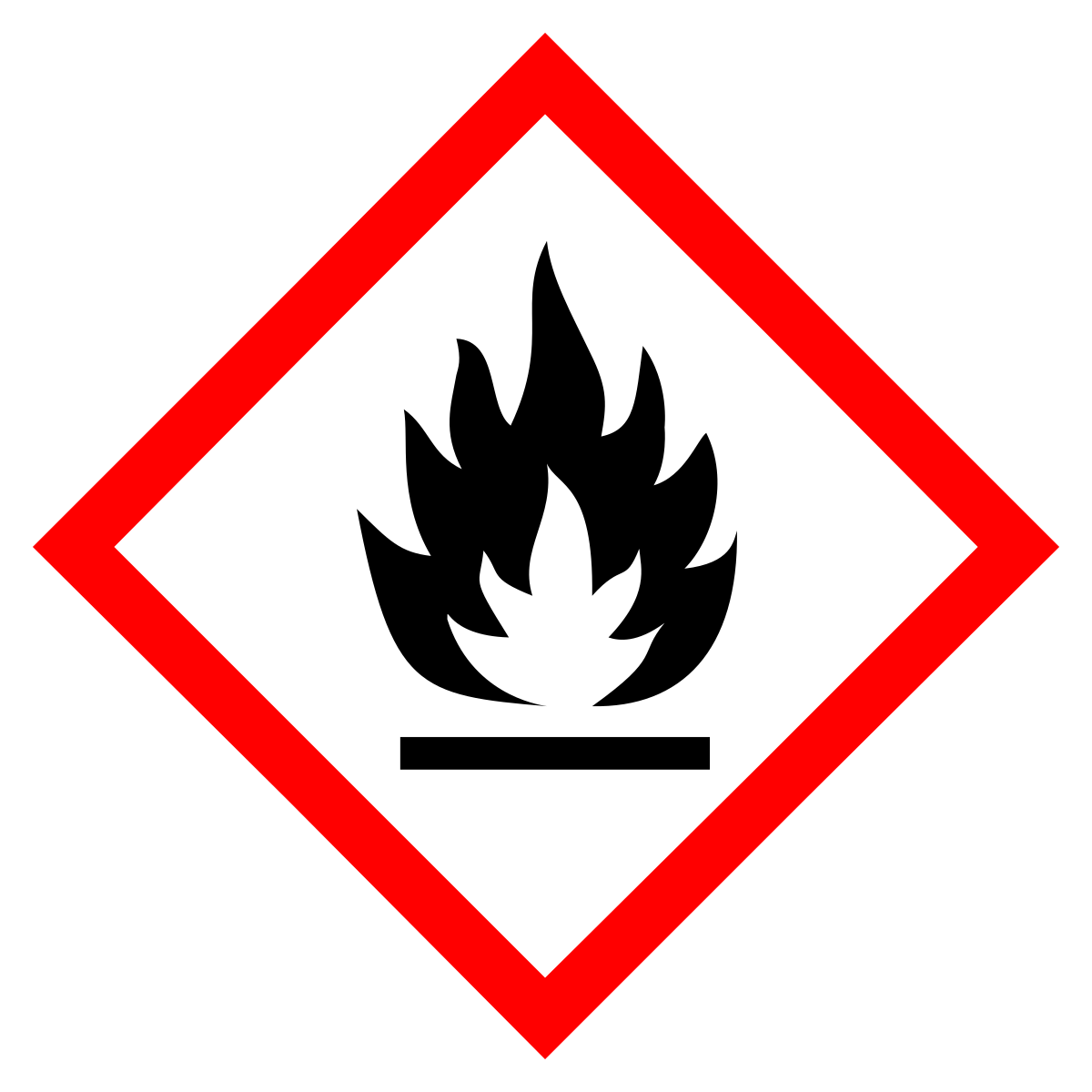 Flammable
GHS02
Flammable
GHS02
-
 Health Hazard
GHS07
Health Hazard
GHS07
بيانات الخطر
- H228 مادة صلبة قابلة للاشتعال
- H315 يسبب تهيج الجلد
- H319 يسبب تهيجاً شديداً للعين
- H335 قد يسبب تهيجاً تنفسياً
إقرارات احترازية
- P210 يحفظ بعيداً عن مصادر الإشعال من قبيل الحرارة / الشرر / اللهب المكشوف / السطوح الساخنة
- P261 تجنب تنفس الغبار / الدخان / الغاز / الضباب / الأبخرة / الرذاذ
- P280 توضع قفازات للحماية / ملابس للحماية / وقاء للعينين / للوجه
- P302+352 إذا وقع على الجلد: اغسل بالصابون والماء
- P304+340 إذا تمّ استنشاقه: انقل المصاب إلى الهواء الطلق واحفظه في وضع يستريح فيه براحة، في وضع يُسهّل التنفّس
- P305+351+338 إذا وقعت في العينين: اغسل بالماء لمدة عدة دقائق. ازل العدسات اللاصقة إذا كانت موجودة وسهل إزالتها. واصل الغسل
الوثائق
أوراق بيانات السلامة (SDS)
متوفر بـ English, French, German, Italian, Portuguese, Spanish.
شهادة التحليل (CoA) حسب الدفعة
أدخل رقم الدفعة أو الحزمة للحصول على شهادة المطابقة الخاصة بهذه الدفعة المحددة. يمكننا إنشاء واحدة من بيانات المواصفات إذا لم تكن هناك نسخة PDF محفوظة.
مرادفات
لا توجد أسماء بديلة مسجلة لهذا المنتج.
الأسئلة الشائعة
ما هو استخدام كلوريد 2,3,5-ثلاثي فينيل تيترازوليوم (TTC)؟
يُستخدم كلوريد 2,3,5-ثلاثي فينيل تيترازوليوم (TTC) بشكل رئيسي كمؤشر أكسدة-اختزال في التحاليل البيوكيميائية، وخاصةً لتقييم سلامة الخلايا ونشاطها الأيضي من خلال قياس نشاط إنزيمات ديهايدروجيناز.
ما هي الصيغة الكيميائية ووزن الجزيء لـ TTC؟
الصيغة هي C19H15ClN4 وبوزن جزيئي 334.80 جرام/مول.
كيف يجب تخزين TTC؟
يجب تخزين TTC عند درجة حرارة 2 إلى 8 درجات مئوية في مكان بارد ومظلم لمنع التحلل.
أي درجة من TTC تقدمها موليكولا؟
تقدم موليكولا TTC بدرجة تحليلية، مناسبة للأبحاث المعملية وتطبيقات التحاليل.
هل يمكن لموليكولا توريد TTC بكميات كبيرة؟
نعم، يمكن لموليكولا توريد TTC بكميات كبيرة—يرجى التواصل مع فريق المبيعات للحصول على الأسعار والتوفر.
ما الوثائق المرفقة مع طلب TTC؟
يُرفق كل طلب بشهادة التحليل (CoA) وورقة بيانات السلامة (SDS) مع الشحنة.
جاهز للطلب أو تحتاج إلى حزمة مخصصة؟
أخبرنا بالمنتج، والجودة، والكمية — عادةً ما نرد خلال يوم عمل واحد بأسعار التوريد وموعد التسليم.